
 SCOUT· 61%1h 20m·2026-10-07·Science
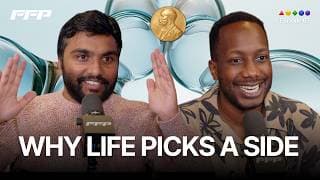
Nobel Prize in Chemistry 2026 Explained: Mirror Molecules (EP 63)
Why does life favor one molecular mirror image? The 2026 Nobel Prize in Chemistry honors Henri B. Kagan and Kenso Soai for nonlinear effects and autocatalysis in asymmetric organic synthesis. Lester Nare and Krishna Choudhary unpack the science from first principles: chirality, Pasteur's crystals, enantiomeric excess,…

Scout bees are checking it out — divided opinions, the swarm hasn't committed.
- Platform
- 43%
- Community
- 85%
- Value
- no read yet
Buzzmeter says it's buzzing across platforms — the Hive Vote says whether the people who actually listened liked it.
Rate this episode
Add your vote to the Hive — listeners rate every episode after they finish.
- No reviews yet — be the first.
What people are saying
“Guys, I've only got a bs in engineering but this takes me back to having fun in classes I really enjoyed, pretty sure I watched every minute of Nobel coverage!”
“Long form video is here 😜😜😜😜😜😜”
“As a complete noob. Drugs's positive effect always has an equal negative effect. And a molecule in space will always have an equal (positive-negative). Am I on the right track?”
“22:56 mentos on coca cola is a physical reaction, not chemical. No catalyst needed.”
More from From First Principles
See all episodes →

Similar episodes from other shows
More like From First Principles →
 55%
55%Alzheimer's drug breakthrough, and sugar in space

A Nobel Prize For Chemistry Work ‘Totally Separate From Biology’

Origins of Life | Jack Szostak on Basement Experiments to Nobel Prize-Winning Discoveries

All the news and science from the 2026 Nobel prizes
One great episode in your inbox, daily — free.
One email a day, unsubscribe anytime. No spam, ever.